Views: 980
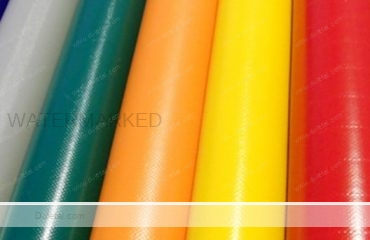
Duct fabrics and tent materials serve different construction and industrial uses. This overview introduces tent fabric, ventilation duct fabric and air duct material so buyers can compare the relevant material features and prepare a focused enquiry.
INDUSTRIAL FABRIC OPTIONS:
Duletai’s fabrics are used in agriculture, canopies, covers, military and automotive applications, entertainment and sports. Demand and sales have grown across these sectors. The range includes economical, widely used materials for temporary and permanent tension structures, with colors and types suited to different applications and structural requirements.
Coatings and treatments use dedicated formulas to protect against UV exposure, staining and fire. The materials offer resistance to distortion and abrasion, together with antifouling performance, impact resistance, elasticity and dimensional stability.
TENT FABRIC:
Tent fabric is available in different colors, designs and materials. The range offers UV resistance, noncombustibility and high reflectivity. Its smooth membrane surface is washed clean by rainfall, so additional cleaning is normally unnecessary. With a life expectancy of over 30 years, it is designed for severe conditions and outdoor applications.
VENTILATION DUCT FABRIC:
Ventilation duct fabric offers 90% translucency, increased radiation absorption, low UV radiation absorption and visible-light benefits for covered landscape areas. Coatings and varnishes provide fire resistance, UV resistance, self-cleaning properties and colorfastness. The strong structure retains its original shape after years of wind exposure and climatic variation.
AIR DUCT MATERIAL:
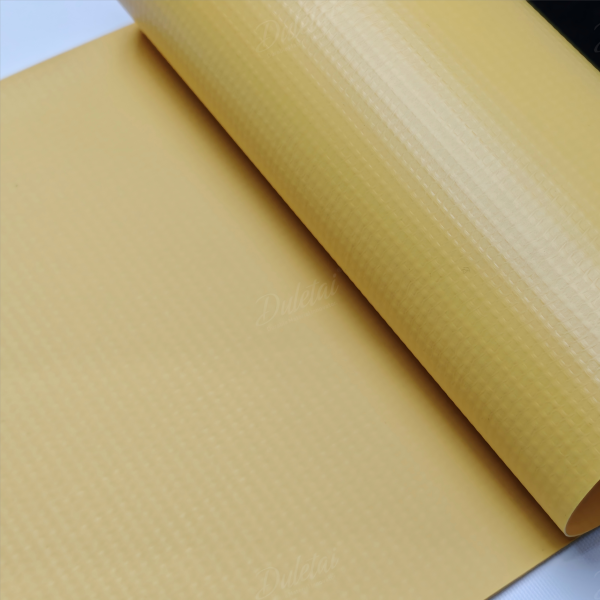
Air duct material resists moisture, corrosion and repeated handling with minimal wear. The fabric blends resist fading and tearing and are easy to clean after extended storage. At 600gsm, the material is portable and convenient to carry and transport.
FAQ
What information helps identify the right duct fabric?
Describe the intended duct, dimensions, operating environment, handling frequency and joining method. Include the material properties and surface finish specified for the finished duct.
Which material details are listed for the air duct fabric?
The air duct material described here weighs 600gsm and is designed to resist moisture, corrosion, fading, tearing and repeated handling.
What should I send for a tent or duct material enquiry?
Provide the application, drawings or finished dimensions, preferred color, quantity and required properties. Identify whether the enquiry concerns tent fabric, ventilation duct fabric or air duct material. Send your material requirements for a focused product discussion.