PVC Films
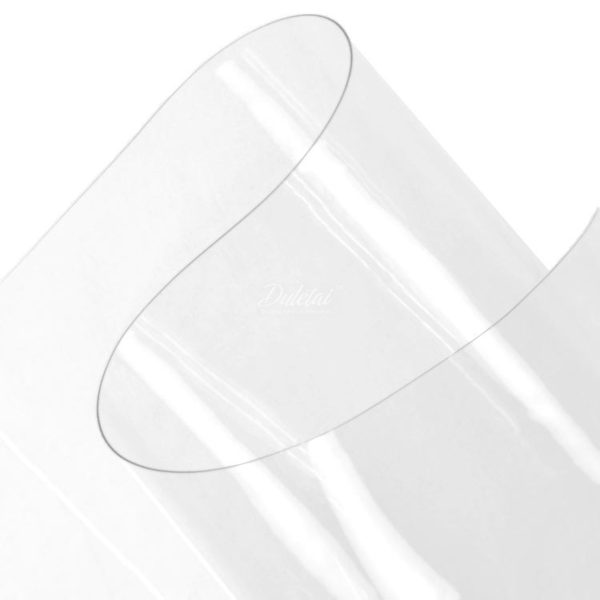
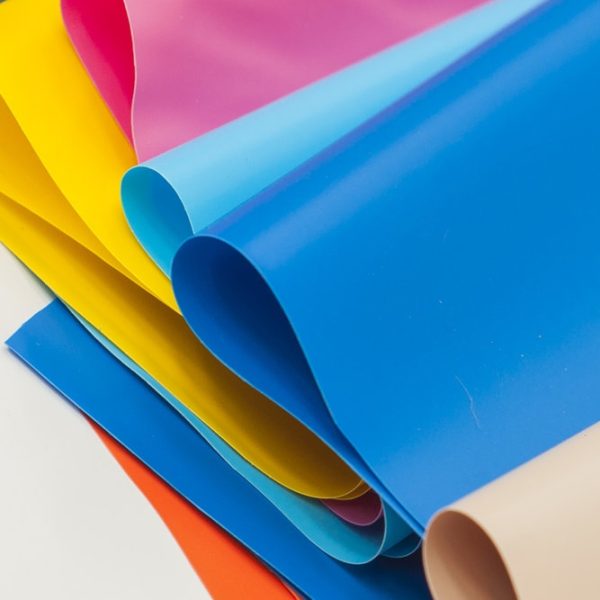
PVC film (Polyvinyl Chloride) is a versatile and cost-effective material widely used in packaging, construction, furniture, and decorative applications.
How is PVC film made?
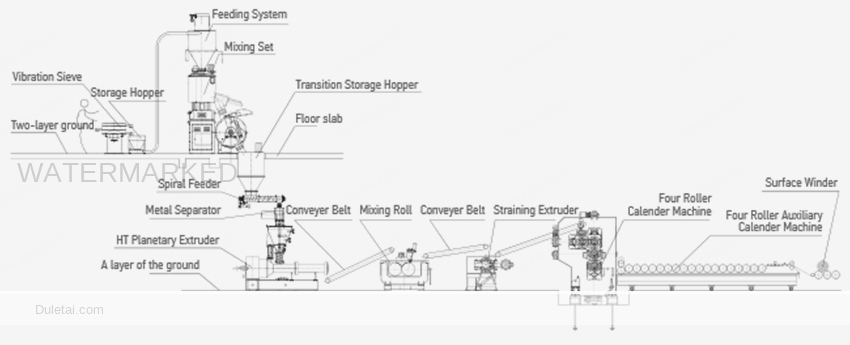 Calendering machine: This machine is used to make pvc film. It can stir the pvc raw material to the paste. Then use roller system to calender into different thickness pvc films. Calendared vinyl films are formed from an older process of taking a dough-like material consisting of PVC, pigments, plasticizer and stabilizer, mixing them in an extruder and then rolling it through polished heated rollers which stretches the material to the proper thickness. The film is then fused to a polyester backing. The process is completed when the material is given a gloss, matte or embossed finish. The calendering process for PVC film involves transforming raw PVC resin into uniform sheets through controlled heat and pressure. Key steps include:
1. Mixing & Compounding:
– PVC resin is blended with plasticizers (e.g., DOP/DEHP), stabilizers, pigments, and functional additives (e.g., UV inhibitors) to achieve desired flexibility, color, and performance.
– Precise control of the **plasticization degree** (60–70% optimal) ensures balanced melt flow and mechanical properties.
2. Preheating & Plastification:
– The mixture is heated to 160–200°C in high-speed mixers or extruders, where shear forces break down resin particles into a homogeneous melt.
– Critical parameters include temperature gradients and shear rates to avoid under-plasticization (brittleness) or over-plasticization (degradation).
3. Calendering:
– The molten PVC passes through a series of precision-calibrated rollers to form a continuous film of uniform thickness (0.05–0.35 mm).
– Multi-roll configurations (e.g., 4-roll or inverted-L setups) ensure smooth surfaces and controlled gloss levels (matte to high-gloss).
4. Cooling & Winding:
– The film is rapidly cooled to stabilize its structure, followed by edge trimming and winding into rolls.
| PVC FILM KEY FEATURES | |
| Durability: | High mechanical strength, tear resistance, and waterproof properties, making it suitable for both indoor and outdoor use. |
| Design Flexibility: | Can mimic textures like wood grain, stone, leather, and high-gloss finishes, with customizable colors and patterns through advanced printing techniques. |
| Safety & Compliance: | Fire-retardant grades (e.g., B1 standard) meet international safety regulations, while phthalate-free and RoHS-compliant options ensure environmental and health safety. |
| Functional Additives: | UV resistance, anti-mildew, and anti-static properties enhance performance in diverse environments. |
PVC FILM OPTIONS FOR PACKAGING AND FABRICATION
Start with the finished product you need to make. This PVC film range includes clear and opaque materials for packaging, construction, furniture and decorative applications. The product pages list grade-specific thicknesses, widths, finishes and processing details.
Clear film for packaging or enclosures
For mattress wrapping and packaging, review normal clear PVC packaging film. For transparent windows and enclosure panels, compare the double-polished grades in our clear PVC film range. These products serve different fabrication needs; select the grade from its own specification.
Ordering PVC film in rolls
Specify the application, thickness, width, roll length, clarity or colour, and surface finish. Include your printing, lamination or fabrication process and any required material formulation. For material with a polyester reinforcement, see PVC tarpaulin fabric.