
Views: 1042
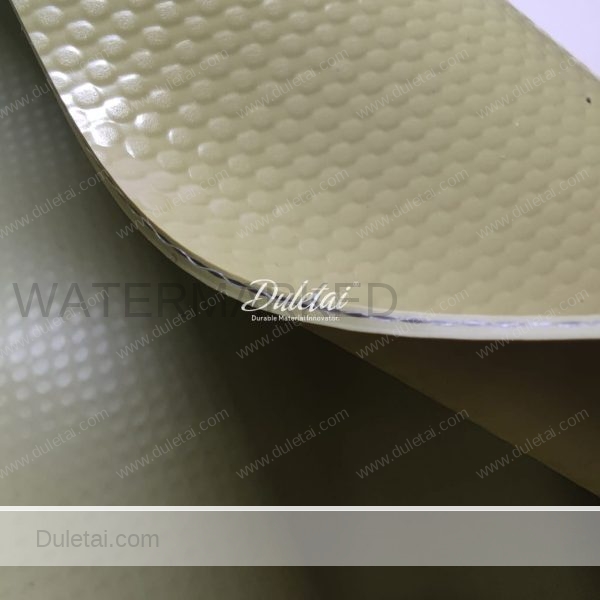
PVC laminated fabric combines PVC film with a textile reinforcement to form a multilayer material for transport, tents and construction. In transparent mesh constructions, the grid remains visible through the PVC film, giving the material a three-dimensional appearance. The handle can range from soft to firm.
MATERIAL TYPES AND APPLICATIONS:
The range is produced from new materials and includes environmentally friendly, low-toxicity options for outdoor use over 3–5 years. Two broad grades are available: general-purpose fabric without special environmental requirements and environmental-protection fabric. General-purpose material is relatively inexpensive, corrosion-resistant and easy to process; the environmental-protection grade is priced higher.
Applications include rainwear, tarpaulins, bags, sunshades, toys, traffic warning signs and special clothing.
MESH AND REINFORCEMENT OPTIONS:
Mesh-based composite materials include PVC mesh, EVA mesh, rubber mesh and TPU mesh. PVC mesh is a common option. The PVC component is polyvinyl chloride, while the middle reinforcement can use polyester or nylon. General yarn and high-strength yarn provide different strength options.
Yarn and textile constructions include combed and semi-combed options, warp knitting and weft knitting. Different yarns, densities, mesh patterns and reinforcement constructions produce fabrics with different thicknesses, colors, strengths and specifications.
FEATURES OF PVC LAMINATED FABRIC:
Waterproof performance
The combination of PVC and textile reinforcement provides strong waterproof performance for outdoor products such as tents and umbrellas.
Low-toxicity material options
Environmentally friendly, low-toxicity materials are used to support a safer environment for users.
Outdoor service life
The mesh-reinforced material has a long service life, with 3–5 years of outdoor use described for this range.
Flame resistance
Strong flame-retardant and non-flammable properties support outdoor fire safety.
UV resistance and sunshade use
The multilayer construction provides strong UV resistance, making the fabric particularly suitable for sunshades.
Toughness for outdoor products
The fabric has high toughness and resists tearing when outdoor tents are exposed to high winds.
PVC MATERIAL CHARACTERISTICS:
Polyvinyl chloride offers good insulation, chemical stability, acid and alkali resistance, established manufacturing processes and a relatively low price. It also has resistance to high and low temperatures.
FAQ
What is the reinforcement inside PVC laminated fabric?
The middle textile layer can use polyester or nylon, with general or high-strength yarn. The chosen yarn, density and construction affect the finished fabric specification.
Which products use PVC laminated fabric?
Uses include transport covers, tents, construction materials, rainwear, bags, sunshades, toys, traffic warning signs and special clothing.
What details help define a PVC laminated fabric order?
Provide the intended use, required dimensions, thickness, color, reinforcement preference, strength requirements and quantity. Explore PVC laminated tarpaulin or send your fabric requirements to discuss the available material options.